End of Tenancy Cleaning for Flats on Bickley Park Road
If you're moving out of a flat on Bickley Park Road, the final clean can feel like one more thing on a very long list. Boxes everywhere, key handover deadlines, a bit of dust hiding in the corners, and that nagging thought: will the property be judged properly at checkout? End of tenancy cleaning for flats on Bickley Park Road is about getting the place back to a standard that feels fair, thorough, and ready for inspection. Done well, it helps reduce stress, protects your deposit prospects, and makes the move feel finished rather than half-done.
In this guide, we'll walk through what end of tenancy cleaning usually involves, how it works in a flat rather than a house, what tenants and landlords typically expect, and the practical steps that make the biggest difference. We'll also cover common mistakes, a simple checklist, and a realistic comparison of cleaning options. Nothing fluffy. Just the useful stuff.
Contents
- Why End of Tenancy Cleaning for Flats on Bickley Park Road Matters
- How End of Tenancy Cleaning for Flats on Bickley Park Road Works
- Key Benefits and Practical Advantages
- Who This Is For and When It Makes Sense
- Step-by-Step Guidance
- Expert Tips for Better Results
- Common Mistakes to Avoid
- Tools, Resources and Recommendations
- Law, Compliance, Standards, or Best Practice
- Options, Methods, or Comparison Table
- Case Study or Real-World Example
- Practical Checklist
- Conclusion
- Frequently Asked Questions
Why End of tenancy cleaning for flats on Bickley Park Road Matters
End of tenancy cleaning is not just a "quick tidy" before you leave. It's a deep, room-by-room clean that aims to return a flat to a move-in ready condition, allowing for fair wear and tear. In practical terms, that usually means tackling the places people miss when they clean around their own routines: behind appliances, inside cupboards, skirting boards, limescale around taps, greasy extractor fans, marks on doors, and the odd corner that somehow collects everything.
Flats bring their own quirks. You may have limited storage, compact kitchens, bathroom ventilation that never quite does the job, or hallway carpets that show every bit of foot traffic. In a smaller space, dirt can seem more obvious. One splash on a backsplash or one stubborn streak on a window can stand out more than it would in a larger home. That's why local move-out cleans need a careful approach rather than a hurried once-over.
For tenants, the main reason it matters is simple: checkout inspections often focus on cleanliness just as much as condition. For landlords and letting agents, a properly cleaned flat makes re-letting faster and reduces the list of follow-up jobs before new tenants move in. And yes, let's face it, nobody wants to receive keys back to a kitchen that still smells faintly of old takeaway. Been there, seen that. Not fun.
A good end of tenancy clean is also about confidence. When you know the flat has been cleaned methodically, you stop second-guessing every dusty shelf or bathroom tile. That peace of mind is worth a lot on moving day.
Expert summary: The best end of tenancy cleans are not just visually tidy; they are consistent, detailed, and aligned with the property's checkout expectations. In a flat, that often means paying extra attention to compact kitchens, bathrooms, window areas, and high-touch surfaces.
How End of Tenancy Cleaning for Flats on Bickley Park Road Works
Most professional end of tenancy cleaning follows a structured process. The exact checklist varies a bit depending on the flat, the condition it's in, and whether carpets, upholstery, or curtains need attention too. Still, the overall workflow is usually similar.
1. Initial assessment
First, the cleaner looks at the property and identifies the areas needing the most attention. In a flat, this often includes the kitchen, bathroom, living room, bedrooms, hallways, and any storage cupboards. If there are carpets, they'll be checked for traffic lanes, stains, or pet odours. If not, hard floors may need a more detailed scrub around edges and under furniture.
2. Top-down cleaning
The cleaning team usually works from higher surfaces down to the floor. Think shelves, light fittings, tops of cupboards, then worktops, then skirting and floors. That order matters. Otherwise dust just keeps falling onto the freshly cleaned bits. Very annoying, and very avoidable.
3. Kitchen deep clean
This is often the longest part of the job. Kitchens collect grease, crumbs, and moisture, and if you live in a compact flat kitchen, the build-up can be sneaky. Good cleaning should cover the oven, hob, extractor, backsplash, cupboards inside and out, sink, taps, splash zones, and around appliances where accessible.
If carpets, rugs, sofa fabric, or curtains need a refresh too, relevant specialist cleaning can be brought in alongside the main service. For example, professional carpet cleaning may be useful where a rental flat has fitted carpet in bedrooms or hallways, while upholstery cleaning can help with fabric furniture that's staying in the property or being assessed as part of the handover.
4. Bathroom detail work
Bathrooms are small, but they can take more effort than you'd expect. Limescale, soap residue, grout marks, and water staining all build up quickly. A proper end of tenancy clean should address toilet areas, sinks, taps, shower screens, tiles, mirrors, and the less glamorous corners around fittings. To be fair, bathrooms tell the truth. If the bathroom looks spotless, the whole flat usually feels better immediately.
5. Living spaces and bedrooms
These areas need dusting, wiping, and a careful finish on doors, handles, switches, sills, wardrobes, and storage units. In flats, bedrooms often have limited space around beds or wardrobes, so cleaning under and behind furniture can be slightly fiddly. That's normal. A bit of patience makes a big difference.
6. Final inspection and touch-ups
Once the main work is done, a final pass checks for missed marks, streaks, dust, or odours. That final inspection is where a professional clean earns its keep. You want the flat to look not just clean, but inspection-ready. There's a difference.
Key Benefits and Practical Advantages
There are several reasons a proper end of tenancy clean is worth it, and they go beyond the obvious "looks nicer" point.
- Better checkout confidence: You know the flat has been dealt with properly rather than left to chance.
- Less back-and-forth: A cleaner property usually means fewer disputes about cleanliness at the end of the tenancy.
- More efficient move-out day: If the cleaning is handled in one organised visit, you can focus on inventory, keys, and the move itself.
- Improved first impression: For landlords, letting agents, or incoming occupants, a fresh flat simply feels more cared for.
- Targeted stain and odour removal: Specialist cleaning can help with the things normal domestic cleaning doesn't fully fix, such as stubborn spots or lingering smells.
There's also a softer benefit that people forget: mental bandwidth. Moving house uses a lot of it. When the clean is sorted by someone who knows what to look for, the whole process feels less chaotic. You can breathe a bit easier, which matters more than people admit.
If your flat includes soft furnishings or flooring that need extra attention, services like sofa cleaning, rug cleaning, or steam carpet cleaning can be practical add-ons rather than separate headaches.
Who This Is For and When It Makes Sense
End of tenancy cleaning for flats on Bickley Park Road makes sense for a few different people and situations:
- Tenants moving out: Especially if you want the flat to meet checkout expectations and avoid avoidable deductions.
- Landlords preparing for new tenants: A clean property helps with presentation and turnover.
- Letting agents managing handovers: A reliable clean can reduce delays between tenancies.
- Flat-sharers: Shared homes often need a more coordinated clean because responsibility gets blurred. You know how that goes.
It makes particular sense when the flat has been lived in for a while, when pets have been present, when carpets or upholstery have been used heavily, or when the move-out deadline is tight. If you're leaving at the end of a tenancy and also trying to move furniture, return keys, and clean every cupboard yourself, that's a lot. Sometimes too much.
It also makes sense if the property has a mix of surfaces. Hard floors in the kitchen, bathroom tiles, lounge carpet, fabric chairs, and curtains can all need different treatment. A single, broad approach rarely gets the best results.
Step-by-Step Guidance
If you're planning the clean yourself, or simply want to understand what a professional service should cover, this practical order helps.
- Empty the flat fully. Remove bin bags, food, personal items, and anything hidden in cupboards or drawers.
- Check the inventory and tenancy notes. If there are specific cleanliness standards, follow those rather than guessing.
- Start with the kitchen. Degrease surfaces, clean appliances, wipe inside cupboards, and deal with sink and hob areas.
- Move to bathrooms. Descale taps, clean grout lines, remove soap residue, and polish mirrors or glass.
- Dust and wipe all surfaces. Include skirting, shelves, light switches, door frames, handles, and sills.
- Tackle floors last. Vacuum carpets thoroughly, mop hard floors, and check corners and edges.
- Inspect the flat in daylight if possible. Marks and streaks are easier to spot when the light is honest. Morning light through a window can be surprisingly revealing.
- Address any remaining spots. Spot-clean stains, lingering odours, or fingerprints on glass.
If the flat has stubborn staining, it's usually better to deal with it early rather than leave it until the last thirty minutes. In a rush, people miss things. That's just how it is.
A quick note on fabric surfaces
Bedrooms and lounges often have fabric items that quietly hold on to dust and smells. Curtains, cushions, and upholstered furniture can look fine at a glance but still feel tired up close. If that's the case, services such as curtain cleaning or mattress cleaning can help finish the job properly.
Expert Tips for Better Results
Here are the little things that make a big difference in real move-out cleans.
- Leave enough drying time. If carpets, upholstery, or mattresses are cleaned, don't schedule the handover five minutes later. Let them dry properly.
- Use the right product for the surface. Some cleaners are great on tile and hopeless on delicate finishes.
- Don't forget high-touch points. Handles, switches, and remote controls are tiny but visible. People notice them.
- Check behind appliances. If they can be safely moved, dust and crumbs often build up there.
- Work from clean to dirty. It sounds obvious, but it keeps the job efficient and avoids rework.
- Deal with odours, not just stains. A flat can look clean and still carry a smell from cooking, pets, or damp fabrics.
In our experience, one of the best things you can do is slow down during the final pass. Not forever. Just enough to spot the details. That last ten minutes can save you a lot of grief later.
If pet smells or accidents are part of the story, pet stain and odour removal is often more helpful than just masking the issue. Fresh air helps, of course, but sometimes you need more than a window open and a hopeful attitude.
Common Mistakes to Avoid
Some mistakes come up again and again. The good news? Most are avoidable.
- Cleaning too late: If you leave everything until moving day, you create pressure and miss detail.
- Skipping the inventory standard: The tenancy paperwork matters more than what "looks clean enough" to you.
- Ignoring hidden grime: Cupboard tops, extractor fans, and behind radiators are easy to forget.
- Not treating stains properly: A damp cloth may lighten a stain, but it rarely solves it.
- Using too much product: More cleaner does not equal better results. Sometimes it just leaves residue.
- Forgetting appliances: Microwaves, fridges, ovens, and washing machines can be the source of checkout comments if left half-done.
- Assuming one quick vacuum is enough: It usually isn't, especially in hallways and bedrooms.
One small but common issue in flats is edge build-up. Dust collects along baseboards, behind doors, and around skirting where the vacuum just glides past. It sounds minor, but those bits can change the overall impression more than people expect.
Tools, Resources and Recommendations
You don't need a giant kit to do a proper clean, but you do need the right basics.
- Microfibre cloths for dusting and polishing
- Vacuum cleaner with attachments for corners, upholstery, and edges
- Mop and bucket for hard floors
- Non-abrasive bathroom cleaner for taps, sinks, and tiles
- Degreaser for kitchen surfaces and extractor areas
- Glass cleaner for mirrors and windows
- Scrub sponge or soft brush for grout and stubborn marks
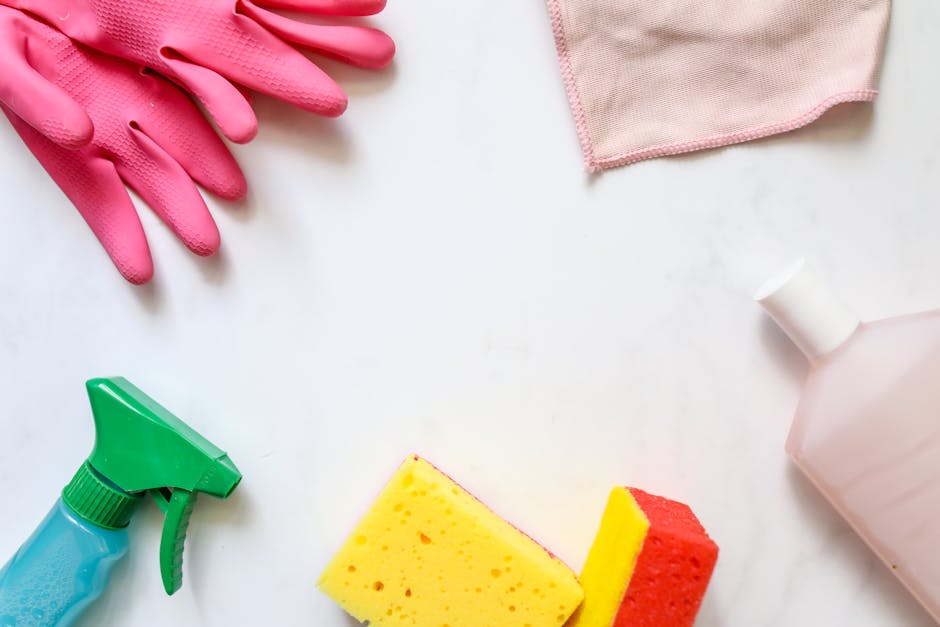
- Disposable gloves for hygiene and comfort
For specialist support, it helps to match the method to the surface. For example, steam cleaning can be effective on some carpets, while more delicate upholstery may need a gentler approach. If you're dealing with mixed materials, that distinction matters. A lot.
It's also worth making practical use of the services that fit your flat's condition. stain removal can help with isolated marks that stand out in a checkout inspection, while upholstery cleaning is useful for tired armchairs, dining chairs, and fabric sofas. If the flooring is especially worn, carpet cleaning and steam carpet cleaning can be worth considering before the final handover.
When you're comparing providers, also look at practical trust signals such as about us, insurance and safety, and health and safety policy. Those pages tell you a lot about how a business works, and whether they take the unglamorous details seriously.
Law, Compliance, Standards, or Best Practice
For rental properties in the UK, the key point is usually this: the flat should be returned in the condition described by the tenancy agreement, allowing for fair wear and tear. Exact expectations can vary from one contract to another, so the tenancy paperwork and inventory are the most important reference points. If a letting agent has specific move-out instructions, follow those carefully.
It's wise to approach end of tenancy cleaning as a best-practice process rather than a legal battle waiting to happen. In other words, use the agreement, inventory, and condition reports as your guide. Keep receipts or confirmation of the clean if you hire a professional. Save any photos you take before and after. Simple, but useful.
In flats on Bickley Park Road, there may also be building-specific concerns such as communal access, lift timing, bin disposal, or noise sensitivity. These are not complicated issues, but they matter on the day. A good cleaner will work around them without turning the handover into a drama.
If you want to understand the business side before booking, pages like pricing and quotes, payment and security, and terms and conditions are sensible places to look. For privacy or accessibility questions, the relevant site policies are there too. Nothing flashy, but they build trust.
Options, Methods, or Comparison Table
There are a few ways to handle an end of tenancy clean. The right choice depends on your timeline, your energy, and the condition of the flat.
| Option | Best for | Pros | Limitations |
|---|---|---|---|
| DIY clean | Lightly used flats, plenty of time, smaller budgets | Lowest direct cost, full control, flexible timing | Time-consuming, easy to miss detail, tiring during a move |
| Professional end of tenancy clean | Most standard move-outs, checkout-focused situations | More thorough, less stress, better consistency | Higher upfront cost than doing it yourself |
| Hybrid approach | Flats with a few problem areas only | Balances budget and convenience, targeted support | Needs good planning and clear division of tasks |
For many flats, the hybrid approach makes sense. You might handle the packing-area dust and basic wipe-downs yourself, then bring in specialists for the oven, carpets, or upholstery. That way you're not paying for help where you don't need it, but you also aren't doing everything with a tired mop at 9pm.
Case Study or Real-World Example
Here's a realistic example. A tenant leaving a two-bedroom flat on Bickley Park Road had kept the place tidy, but the kitchen had grease around the extractor, the bathroom had limescale on taps, and the lounge carpet had traffic marks near the sofa. Nothing dramatic. Just the sort of everyday build-up that happens quietly over time.
The first pass focused on clearing out food, toiletries, and items from cupboards. Then the kitchen was tackled properly, including the hob, sink, and cupboard fronts. The bathroom needed a detailed descale and polish. The carpet was cleaned last, after all other dust and debris had been removed, so nothing fell back onto it.
The result was not a "magical transformation" story. It was simply a flat that looked cared for, smelled fresher, and gave the checkout process a much better starting point. The tenant felt relieved, the handover went smoothly, and there was no need to scramble around for last-minute fixes. Ordinary? Maybe. But that's the point. Good end of tenancy cleaning is meant to remove friction, not create more of it.
Practical Checklist
Use this checklist before handing back the keys:
- All personal items removed from cupboards, drawers, and storage spaces
- Bins emptied and waste disposed of properly
- Kitchen surfaces degreased and appliances cleaned inside and out
- Bathroom taps, tiles, glass, and fittings descaled and polished
- Skirting boards, doors, handles, switches, and sills wiped down
- Carpets vacuumed thoroughly and stains treated where possible
- Hard floors mopped and edges checked
- Soft furnishings cleaned if they are part of the tenancy handover
- Windows, mirrors, and glass streak-free
- Any lingering odours addressed
- Final walk-through completed in good light
- Keys, inventory, and access arrangements confirmed
If you are short on time, prioritise the areas people inspect first: kitchen, bathroom, carpets, and visible surfaces. That's where the eye goes almost instantly.
Conclusion
End of tenancy cleaning for flats on Bickley Park Road is really about one thing: leaving the property in a condition that feels fair, tidy, and ready for the next chapter. The best results come from a calm, methodical approach, with extra attention paid to kitchens, bathrooms, floors, and any fabric surfaces that tend to hold onto marks or odours. Whether you do it yourself, hire help, or use a mix of both, the aim is the same: avoid unnecessary stress and make the handover easier.
Flats can be deceptively small, which is exactly why detail matters. The corners, edges, cupboard tops, and hidden surfaces tend to tell the story. Handle those well and the rest usually follows.
Get a free quote today and see how much you can save.
And if you're right in the middle of a move, take a breath. One careful clean can make the whole day feel a lot less heavy.
Frequently Asked Questions
What does end of tenancy cleaning usually include in a flat?
It usually includes a deep clean of the kitchen, bathroom, bedrooms, living areas, floors, surfaces, fittings, and inside storage spaces. The exact checklist depends on the flat and the tenancy expectations.
Is end of tenancy cleaning different from regular domestic cleaning?
Yes. Regular cleaning focuses on keeping a home tidy day to day. End of tenancy cleaning goes further, targeting built-up grime, hidden dust, limescale, grease, and marks that may not be touched in a normal weekly clean.
Do I need professional end of tenancy cleaning for my flat?
Not always, but it often helps if time is tight, the flat has heavy use, or you want a more thorough finish. Professional cleaning can also be useful for carpets, upholstery, or stubborn stains.
How far in advance should I book a move-out clean?
Ideally, book once you know your move-out date. That gives you room to schedule after the flat is empty and before the checkout inspection. Leaving it too late tends to make the day feel rushed.
What parts of a flat are most likely to be checked at checkout?
Kitchens, bathrooms, flooring, visible surfaces, inside cupboards, and areas around appliances are commonly checked. Odours and staining may also be noticed, even if the flat looks tidy at first glance.
Can end of tenancy cleaning help with pet smells?
Yes, especially when combined with targeted pet stain and odour treatment. A general clean can freshen things up, but lingering pet odours often need more focused work.
Should carpets be cleaned separately?
If the carpets are stained, heavily trafficked, or part of the tenancy condition, separate carpet cleaning is often worthwhile. It can make a big difference to the overall finish of the flat.
What if the flat has already been cleaned by the previous tenant?
It's still worth doing your own check. Sometimes a place looks clean on the surface but still has grime in cupboards, extractor areas, bathroom edges, or behind furniture. A careful inspection catches those bits.
Are curtains and upholstery part of an end of tenancy clean?
They can be, depending on the property and its condition. If they are included in the tenancy handover or clearly dirty, curtain cleaning and upholstery cleaning may be a sensible addition.
How do I know if a quote is fair?
Look at what is included, not just the headline price. A fair quote should be clear about the areas covered, any add-ons, access conditions, and whether specialist services are needed.
What if I miss something before the checkout inspection?
It happens. Don't panic. If you notice a missed area, deal with it as soon as possible. A final quick walk-through before handover is often enough to catch the obvious stuff.
Can I combine end of tenancy cleaning with carpet or stain treatment?
Yes, and for many flats that is the smartest approach. If the carpets, sofa, rug, or mattress need extra attention, combining services can save time and produce a more consistent result.