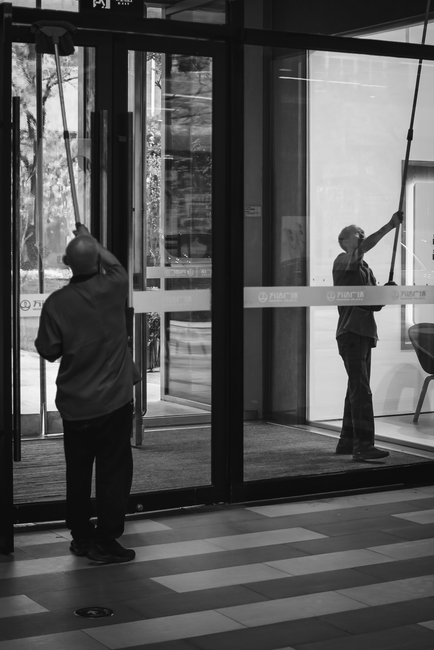
Office cleaning options for shops on Bickley High Street
If you run a shop on Bickley High Street, cleaning is never just about looking tidy for five minutes. It is about the first impression at the door, the smell in the air, the safety of the floor, and whether your team can work without tiptoeing around dust, spills, or tired-looking carpets. The right Office cleaning options for shops on Bickley High Street can make a small retail space feel sharper, calmer, and more professional almost overnight. And to be fair, that matters more than many owners admit.
Some shops need a light daily clean. Others need a deeper commercial refresh because footfall, stock handling, and customer traffic take their toll. This guide breaks down the practical options, how they work, what suits different types of shops, and where specialist services such as commercial carpet cleaning or upholstery cleaning can fit into the picture. If you are trying to decide what is worth paying for and what can be managed in-house, you are in the right place.
Table of Contents
- Why Office cleaning options for shops on Bickley High Street Matters
- How Office cleaning options for shops on Bickley High Street Works
- Key Benefits and Practical Advantages
- Who This Is For and When It Makes Sense
- Step-by-Step Guidance
- Expert Tips for Better Results
- Common Mistakes to Avoid
- Tools, Resources and Recommendations
- Law, Compliance, Standards, or Best Practice
- Options, Methods, or Comparison Table
- Case Study or Real-World Example
- Practical Checklist
- Conclusion
- Frequently Asked Questions
Why Office cleaning options for shops on Bickley High Street Matters
Shops are a bit different from standard offices. Yes, there may be desks, computers, and back-room admin, but there is also customer traffic, delivery dust, packaging, changing displays, and a floor that can look grubby surprisingly quickly. That blend changes everything. The cleaning plan has to deal with both the visible retail side and the quieter office side behind it.
A clean shop does three things at once. It helps customers feel comfortable, it supports staff morale, and it protects your fixtures, soft furnishings, and flooring. In a busy stretch like Bickley High Street, where people notice details in passing, tired carpets or stained chair fabric can quietly send the wrong message. Nobody says, "I am leaving because the skirting boards looked dusty." But people do notice when a place feels cared for.
There is also a practical reason. Dirt is abrasive. Walk-in grit gets ground into carpets, chairs pick up oils and crumbs, and the little spills that seem harmless can become long-term stains or smells if you leave them. The better your cleaning routine, the less you spend later on replacement or emergency restoration.
Expert summary: For shops, the best cleaning plan is rarely one single service. It is usually a blend of daily upkeep, scheduled deep cleaning, and targeted treatments for carpets, upholstery, and stain problems.
How Office cleaning options for shops on Bickley High Street Works
In practice, shop cleaning usually falls into three layers. First is the day-to-day tidy-up: bins emptied, surfaces wiped, floors swept or vacuumed, toilets checked, and touchpoints sanitised. Second is routine professional cleaning, which may happen weekly, fortnightly, or monthly depending on the premises. Third is periodic specialist work, such as steam cleaning or stain removal, for areas that need more than a standard wipe-down.
The right mix depends on the layout. A shop with a small office nook and a tiled sales floor will need different attention from a boutique with carpeted fitting areas and fabric chairs. If the back office gets used for stock handling, paperwork, and coffee breaks, you may also need deeper cleaning in that area than you first expect. The hidden mess is often in the places nobody sees at a glance.
Many owners start by asking for a site visit or quote, then choose a plan based on footfall, opening hours, and which areas need specialist treatment. If carpets are involved, a service like carpet cleaning or steam carpet cleaning may be suitable where vacuuming alone is no longer enough. For sofas, reception seating, or waiting-area chairs, upholstery-focused care can make a big difference.
What most people appreciate is that the process can be staged. You do not always need a huge one-off clean. Sometimes a sensible rotation is better: weekly maintenance, a monthly reset, and deeper work every few months. That is usually easier on the budget too.
Key Benefits and Practical Advantages
The obvious benefit is appearance. Clean floors, fresh-smelling rooms, and stain-free seating simply make a shop feel more trustworthy. But the real value goes deeper than surface polish.
- Better customer confidence: A clean environment supports the idea that the business is organised and professional.
- Improved staff comfort: People work better in spaces that do not feel grimy or cluttered.
- Longer life for furnishings: Regular care helps carpets, chairs, curtains, and rugs last longer.
- Less disruption: Ongoing cleaning is easier than dealing with emergency deep cleans after a spill or heavy build-up.
- Lower odour risk: Food, moisture, and foot traffic can create stale smells if they are not managed early.
There is also a subtle benefit many shop owners miss: consistency. A visitor may not consciously notice a spotless baseboard, but they do notice when a room feels calm and looked after. That adds up. Especially on a high street, where competition is often close by and people compare places without even meaning to.
Who This Is For and When It Makes Sense
This kind of cleaning suits a wide range of businesses. Small independent retailers, beauty shops, salons, professional service offices with a customer-facing front room, and mixed-use premises all tend to benefit. If your shop has a carpeted consultation area, a fabric sofa, or a customer waiting space, the case for professional support gets stronger very quickly.
It is especially sensible if you recognise any of these situations:
- foot traffic leaves visible dirt near the entrance
- staff are doing their best, but cleaning is becoming inconsistent
- there are recurring spill marks or drink stains
- the place smells a bit stale by midweek
- you have upholstered chairs, curtains, or rugs that hold dust
- customers linger in one area and that space looks tired
Sometimes the trigger is seasonal. Wet weather makes entrance mats and carpets suffer. Summer brings dust and open doors. A hectic trading period can leave back rooms looking like they have had a small argument with a stationery cupboard. Happens everywhere, honestly.
If your premises need specialist care beyond general tidying, it can help to look at related services such as sofa cleaning, rug cleaning, or curtain cleaning. These are often the items that quietly hold onto dust, odours, and everyday wear.
Step-by-Step Guidance
Choosing the right cleaning plan is easier when you break it down. Here is a straightforward way to do it.
- Walk the space as a customer would. Start at the entrance and look at what is visible within the first few seconds. Floors, glass, counters, chairs, and smells matter most.
- Separate public and staff-only areas. The sales floor may need daily attention, while the office or stock room may need a different schedule.
- List the materials in the room. Carpet, laminate, vinyl, upholstered seating, curtains, rugs, and hard surfaces all need different methods.
- Identify problem zones. Entrances, till points, tea areas, fitting rooms, and customer seats tend to collect the most dirt.
- Decide what staff can handle. Daily tidying and wiping is fine for many businesses, but deep carpet or fabric cleaning usually needs specialist equipment.
- Set a routine. Weekly maintenance plus periodic specialist work tends to be a sensible baseline for busy shops.
- Review after a month or two. If high-traffic marks return quickly, you probably need a more frequent schedule.
It sounds simple because it is simple. The trick is actually doing it consistently. A good routine beats a heroic clean every few months. Every time.
A useful way to prioritise
Ask yourself: what would a customer notice first, and what would cause the most long-term damage if ignored? Those are usually not the same thing. A dusty shelf is visible. A damp patch in carpet backing or a deep stain under a chair can be far more serious.
Expert Tips for Better Results
One of the biggest improvements comes from matching the cleaning method to the surface. That sounds obvious, but it is where many businesses go wrong. Using the wrong product or too much moisture can damage fabric, leave residue, or create a sticky finish that attracts even more dirt. Not ideal.
Here are a few practical tips that make a real difference:
- Vacuum slowly and methodically. Quick passes miss grit lodged deep in pile.
- Blot spills early. Rubbing usually spreads the stain. Gentle blotting works better.
- Use mats where people enter. It is a simple fix and saves a lot of wear.
- Rotate movable rugs or chairs. Even wear is easier to manage than a worn patch in one spot.
- Do not forget touchpoints. Door handles, card machines, and counter edges collect grime quickly.
- Schedule deep cleaning before the space looks desperate. Prevention is cheaper and less stressful.
A small but useful habit: keep a note of repeat stains or problem areas. If the same chair gets marked every week, or one patch of carpet near the entrance always looks dull, that tells you where to focus. That little bit of observation saves money later.
If you are dealing with stubborn marks, a proper stain removal approach can protect the fibres and save you from turning one small spill into a permanent eyesore. And if the issue is a smell rather than a mark, odour treatment may be the real priority, not more detergent.
Common Mistakes to Avoid
Most cleaning mistakes are not dramatic. They are just small misjudgements repeated over time until the place looks tired. Classic example: only cleaning what is obvious. The visible bits look decent, but corners, chair backs, skirting, and under-counter spaces build up dirt quietly.
Another common slip is using one approach for everything. A hard floor, carpet, and fabric chair do not need the same treatment. Forcing them into one routine often leads to patchy results. You may get that oddly clean-but-not-clean feel. You know the one.
- Do not wait for stains to become permanent.
- Do not overload fabrics with water or harsh product.
- Do not ignore high-touch areas because they are small.
- Do not let back rooms become the dumping ground for "later".
- Do not assume a quick vacuum replaces proper deep cleaning.
There is also a timing mistake worth mentioning. Some shops book cleaning at the wrong time and then wonder why staff are scrambling around it. If possible, plan around trading hours so wet floors, drying carpets, or moved furniture do not interrupt business flow. A bit of planning saves a lot of muttering under the breath.
Tools, Resources and Recommendations
You do not need a warehouse of equipment, but you do need the right basics. For in-house cleaning, that usually means a reliable vacuum, microfibre cloths, appropriate surface cleaner, mop system, gloves, and a clear checklist for staff. For anything involving deep carpet work, upholstery, or delicate fabric, professional equipment becomes much more valuable.
On the service side, it helps to choose providers who can explain what they will do in plain English. That includes how they treat carpets, how they manage drying time, and what aftercare is sensible. If the team can talk clearly about steam carpet cleaning and fabric care without hiding behind jargon, that is usually a good sign.
These website pages may also help when you are comparing suppliers or checking how a company operates:
- pricing and quotes for understanding how work is usually estimated
- insurance and safety for reassurance around risk and site care
- health and safety policy for workplace responsibility and safe working practices
- recycling and sustainability if waste handling and greener choices matter to your business
- about us if you want a better sense of the company behind the service
If you are collecting quotes, ask exactly what is included. A cheaper number that excludes stain treatment or fabric care may not be cheaper at all once the work is done properly. Truth be told, that catches people out quite a lot.
Law, Compliance, Standards, or Best Practice
For shops, cleaning is not only about presentation. It touches workplace safety, hygiene, and sensible premises management. In the UK, business owners are generally expected to keep workplaces reasonably safe and maintained, which includes managing obvious slip risks, keeping walkways clear, and making sure cleaning products are used responsibly. If your space is open to customers, that gets even more important.
Best practice usually means:
- using suitable products for the correct surface
- keeping cleaning schedules documented
- training staff on spill response and safe handling
- allowing enough drying time after wet cleaning
- storing materials safely and away from customer access where needed
There is also a common-sense compliance angle with subcontracted cleaning. You want to know that the team working in your premises is insured, understands site safety, and respects your opening hours and customer flow. If a provider publishes clear terms and a straightforward terms and conditions page, that transparency is a useful sign. It does not solve everything, but it helps set expectations.
Where specialist cleaning involves chemicals, moisture, or moving equipment through a retail area, careful risk awareness matters. That means good communication, sensible scheduling, and a proper understanding of the space before work begins. Nothing flashy. Just solid practice.
Options, Methods, or Comparison Table
Different shops need different levels of support. This quick comparison should help you narrow down the best fit.
| Option | Best for | Advantages | Limitations |
|---|---|---|---|
| In-house daily cleaning | Light routine upkeep, small premises | Low cost, flexible, immediate response to spills | Limited deep-cleaning power; can be inconsistent |
| Scheduled professional maintenance | Busy shops that need reliable presentation | Consistent quality, less stress for staff, better finish | Needs planning and budget allocation |
| Specialist carpet or fabric cleaning | Stains, odours, tired seating, worn footfall areas | Deep clean, better restoration, helps extend lifespan | May require drying time and access coordination |
| Full periodic refresh | Mixed-use shop and office spaces with high wear | Best for neglected areas and whole-space reset | More intensive, usually the highest upfront effort |
For many shop owners, the sweet spot is a combination rather than a single method. Daily in-house care keeps the place presentable. Scheduled specialist work prevents the slow build-up that makes everything feel dull. That balance usually gives the best return.
Case Study or Real-World Example
Imagine a small retail shop with a back office, a carpeted consultation corner, and two upholstered chairs near the front. The team vacuums often enough, but the entrance carpet is starting to look grey, the chairs have a few faint marks, and the room feels a bit heavy by late afternoon. Nothing disastrous, just a bit worn.
The owner decides to split the work into three layers. Staff handle the daily tidy-up, a professional team carries out a deeper carpet clean, and the seating gets treated at the same time. The result is not dramatic in a showroom sense. It is subtler than that. The room smells fresher. The carpet looks brighter. The chairs no longer advertise every cup of coffee ever consumed in the shop.
What changed most, oddly enough, was how the space felt to work in. Staff stopped apologising for the look of the office area. Customers spent a little longer in the consultation corner. That is the kind of shift people often notice only after the fact.
If the premises also include fabric chairs or drapes, targeted support such as upholstery cleaning or curtain cleaning can complete the refresh without needing to replace good-quality fittings.
Practical Checklist
Use this as a quick working list before you book or review your cleaning plan.
- Identify all customer-facing and staff-only areas
- Note the flooring type in each space
- List upholstered items, rugs, and curtains
- Mark the highest-traffic zones
- Check where spills, odours, or stains keep reappearing
- Decide what staff can manage safely in-house
- Choose which areas need specialist deep cleaning
- Ask about drying times and access requirements
- Confirm insurance, safety, and site procedures
- Set a repeat schedule instead of waiting for the next big mess
That final point is the one that tends to make the biggest difference. Regularity beats panic. Nearly every time.
Conclusion
For shops on Bickley High Street, good cleaning is part presentation, part maintenance, and part customer experience. The best Office cleaning options for shops on Bickley High Street are usually the ones that match your layout, your footfall, and the materials in the space, rather than trying to force everything into one generic routine. A little structure goes a long way.
Start with the basics, then add specialist support where it really pays off: carpets that are looking tired, chairs that hold on to dust, or stubborn stains that keep coming back. That approach is usually more efficient, more cost-aware, and frankly less stressful for everyone involved. And if you get the balance right, the whole place just feels easier to run.
Get a free quote today and see how much you can save.
Sometimes the best business decision is the quiet one: a cleaner space, a calmer team, and a shop that feels ready for the day before the first customer even walks in.
Frequently Asked Questions
What is the best office cleaning option for a small shop?
For a small shop, the best option is usually a mix of daily in-house upkeep and occasional professional deep cleaning. That keeps the shop presentable without overcomplicating the routine.
How often should a shop on Bickley High Street have deep cleaning?
It depends on foot traffic, flooring, and how many soft furnishings you have. Busy shops may need deeper treatment every few months, while lighter-use spaces may stretch longer between visits.
Is carpet cleaning worth it for a shop office area?
Yes, especially if customers can see the carpet or if staff use the space heavily. Clean carpet improves the look of the room and can help extend the life of the flooring.
Can I just rely on staff for all cleaning?
You can handle some of it in-house, but staff cleaning usually works best for daily maintenance rather than specialist stain or fabric care. Deep cleaning is a different job, really.
What should I do if there is a stain near the entrance?
Blot it early and avoid rubbing. If it does not come out cleanly, a targeted stain treatment is usually safer than trying random products and making the mark bigger.
Do upholstered chairs and sofas need separate cleaning?
Yes. Upholstery holds dust, body oils, and odours differently from carpets, so it benefits from its own cleaning method. The same goes for office waiting-area seating.
How do I choose between steam cleaning and standard carpet cleaning?
Steam cleaning is often useful for deeper dirt and more thorough refreshes, while standard carpet cleaning may suit lighter maintenance. The right choice depends on the carpet type and condition.
Will cleaning disrupt trading hours?
It can if it is not planned properly, especially when wet methods are used. Good scheduling, drying time, and access planning help keep disruption low.
What should I ask before booking a cleaning company?
Ask what surfaces they clean, how they handle stains, what drying time to expect, whether they are insured, and whether pricing includes everything you need. Clear answers are a good sign.
Are curtains and rugs worth cleaning in a shop setting?
They are, because both can trap dust and affect the feel of the room. If they are part of the customer area, freshening them can make the whole space feel sharper.
How can I make cleaning more cost-effective?
Use daily upkeep to prevent build-up, tackle spills quickly, and schedule specialist cleaning before problems become severe. Prevention is almost always cheaper than rescue work.
What is the biggest mistake shop owners make with cleaning?
The biggest mistake is waiting too long. Small marks become bigger issues, and dull spaces slowly make the shop feel less cared for. A steady routine is much easier to live with.