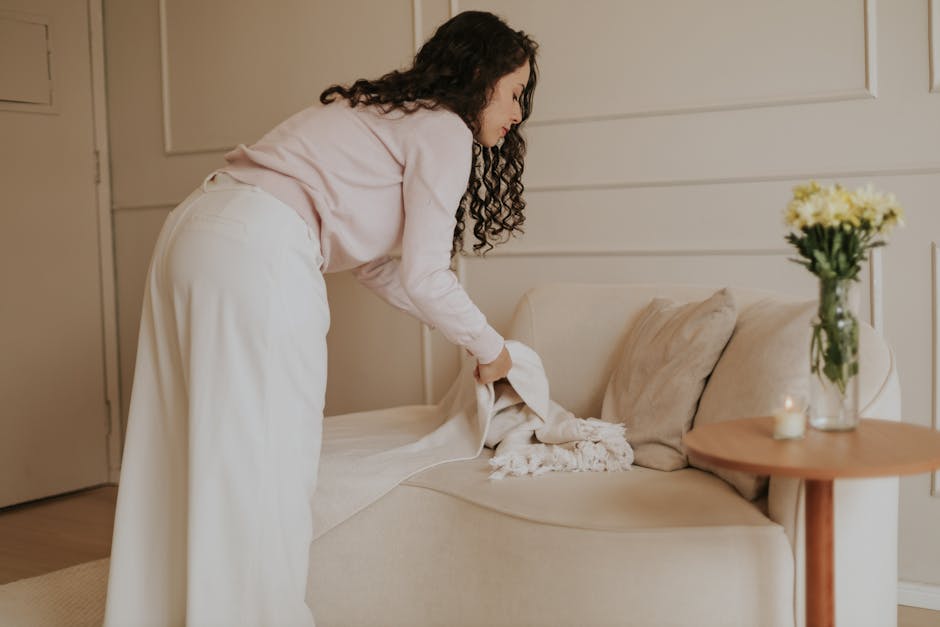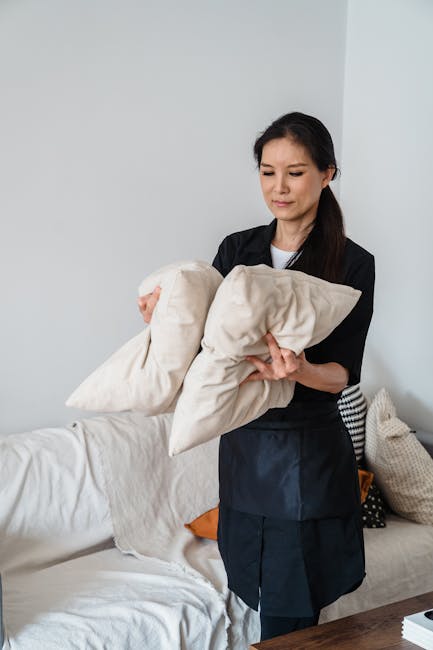
Sofa and Upholstery Cleaning Insider Tips for Bickley Homes
If your sofa has started to look tired, a little flat, or just not quite as fresh as it used to, you are definitely not alone. In Bickley homes, upholstered furniture works hard: family evenings, muddy shoes by the door, pets jumping up "just for a second," and the odd tea spill that somehow becomes a permanent memory. This guide to sofa and upholstery cleaning insider tips for Bickley homes is here to help you clean smarter, protect delicate fabrics, and know when a deep clean is worth doing properly rather than improvising with whatever is under the sink.
Truth be told, upholstery cleaning is one of those jobs people tend to underestimate until they notice smells, dark armrests, or a stain that keeps reappearing after it dries. The good news? With the right approach, you can make a big difference without damaging fibres or pushing dirt deeper into the fabric. Below, you will find practical steps, useful checks, common mistakes, and a few insider habits that make all the difference in real homes, not just in glossy advice columns.
Why Sofa and Upholstery Cleaning Insider Tips for Bickley Homes Matters
A sofa is not just a place to sit. It is where life happens. In Bickley, where homes often balance busy family routines with a bit of well-kept comfort, upholstery tends to collect a mixed bag of everyday debris: dust, skin oils, crumbs, pet dander, pollen, and the occasional mystery mark that appears overnight. The problem is that fabric does not always look dirty until it really, properly is.
Cleaning matters because upholstery behaves differently from hard surfaces. Dirt settles into seams, fibre piles, and armrests, while liquids can spread below the visible surface. If you only clean the top layer, you often get the illusion of freshness, not the result. And let's face it, nobody wants a sofa that looks clean but still smells faintly of last Sunday's roast dinner and wet dog.
There is also a practical side. Regular care helps fabrics last longer, keeps colours looking richer, and reduces the chance of stains setting permanently. In homes with children, pets, or lots of visitors, upholstery maintenance becomes less of a luxury and more of a sensible routine. A bit like checking the batteries in the smoke alarm - not glamorous, but useful.
If you are already thinking about a deeper clean, it can help to compare the needs of soft furnishings more broadly. Many households pair sofa care with professional upholstery cleaning, especially when there are matching chairs, footstools, or decorative fabric panels that all need the same attention.
How Sofa and Upholstery Cleaning Insider Tips for Bickley Homes Works
At its simplest, upholstery cleaning works by lifting soil from fibres without over-wetting the material or damaging its finish. That sounds straightforward, but the method matters. A velvet armchair, a synthetic family sofa, and a linen-covered loveseat will not all respond the same way. Different fabrics absorb moisture differently, and different stains behave differently too. Annoying, yes. But predictable once you know what you are looking at.
Most effective cleaning follows a pattern: identify the fabric, remove dry debris, treat stains carefully, apply the right cleaning method, extract or wipe away residue, and then dry the piece properly. If any of those steps is rushed, the result tends to be patchy. That is where insider tips help. The real trick is not using more product; it is using the right process.
For many sofas, a low-moisture or extraction-based method is safer than simply scrubbing with a damp cloth. On delicate fabrics, controlled spot treatment matters even more. A cleaner who understands upholstery will usually test a hidden area first, checking for colour transfer, pile distortion, or water marks. It is a small step, but a very important one.
In a typical Bickley home, the best results often come from combining careful at-home maintenance with periodic deeper cleaning. You might vacuum weekly, blot spills immediately, and use professional help for the annual or semi-annual reset. That approach keeps the sofa looking respectable between deeper visits and avoids the all-too-common "we'll deal with it later" trap.
Key Benefits and Practical Advantages
The obvious benefit is a cleaner sofa. But the better reasons go beyond appearances.
- Better hygiene: upholstery can trap dust, pet hair, and everyday grime that regular dusting misses.
- Longer fabric life: less grit in the fibres means less wear from friction.
- Improved smell: stale odours from pets, cooking, or general household use are easier to manage when the fabric is cleaned properly.
- Better colour and texture: a well-cleaned sofa often looks brighter and feels less flattened.
- More confident hosting: if people are coming round for dinner, you will notice the difference straight away.
There is also a comfort factor people forget. When upholstery feels genuinely fresh, the whole room feels lighter. You stop noticing that slightly musty scent when the heating comes on. You stop side-eyeing the sofa every time sunlight hits it from the window and exposes what the evening lamp hid. Small thing? Maybe. But a nice one.
For households dealing with pets, dining-room chairs, or a family room that doubles as a cinema on Friday night, the right care can save money in the long run. Replacing upholstered furniture is a far bigger job than maintaining it well. That is why people often look at sofa care alongside related services such as sofa cleaning and targeted stain removal when they want a more complete refresh.
Who This Is For and When It Makes Sense
This topic is for anyone in Bickley who wants their furniture to last longer and look better, but it is especially useful if your home has one or more of these signs:
- you can see armrest darkening or seat shading
- you notice stale or musty odours after the heating has been on
- your sofa has drink marks, food spots, or pet-related stains
- there is visible dust or pet hair that keeps returning
- the fabric looks dull even after vacuuming
- you are preparing for guests, a sale, or a seasonal reset
It also makes sense if you have recently moved into a home and do not know how the previous owners used the furniture. Maybe the sofa looks fine at first glance, but after a week or two you realise the cushions are holding onto smells. That is common enough. Upholstery can be deceptive like that.
If you have a fabric sofa with a manufacturer cleaning code, or if the material is delicate, the cleaning approach needs a bit more care. The same is true for antique chairs, footstools with trim, and upholstered dining seats where a small mistake can leave a tide mark. In those cases, caution is not overkill. It is common sense.
Step-by-Step Guidance
Here is a practical way to approach sofa and upholstery care without making things worse. Keep it simple. No heroic scrubbing required.
- Check the fabric type and care label. Before doing anything else, identify whether the item is cotton, wool blend, synthetic, velvet, linen, leather-look, or a mixed material. The label or manufacturer guidance is your best starting point.
- Vacuum thoroughly. Use an upholstery attachment and work slowly. Go over seams, creases, under cushions, and the back panel. Dry debris is easier to remove than embedded grit.
- Test any cleaner in a hidden spot. A small patch at the rear or underside is safer than discovering colour loss on the front armrest.
- Deal with spills quickly. Blot - do not rub. Rubbing pushes liquid further into the fibres and can spread the stain. A clean white cloth works well because it shows transfer clearly.
- Use the least aggressive method first. Lightly dampen the area if the fabric allows it, and use a suitable upholstery cleaner or mild solution if appropriate. Start small.
- Work from the outside in. This reduces the chance of spreading the stain edge outward and creating a bigger mark than you started with. Bit frustrating, but very common.
- Remove residue carefully. Leftover product can attract more dirt later, so do not overapply. Extract or wipe as needed.
- Dry with airflow. Open windows if weather allows, or use gentle air circulation. Do not sit on the sofa until it is fully dry.
If the upholstery is heavily soiled, has multiple stains, or feels sticky after spot cleaning, that usually means the problem is deeper than the visible surface. At that point, a more thorough method is safer than repeated DIY attempts. Repeated dampening can create water rings, especially on some natural fabrics. Not ideal.
Expert Tips for Better Results
Here is where the insider part really starts to matter.
1) Vacuum more often than you think you need to. Weekly is a reasonable baseline for most homes, and more often if you have pets. Grit in the fibres acts a bit like sandpaper. You do not notice it day to day, but it quietly wears fabric down.
2) Watch the cushion rotation. If one seat always gets the same person, the same side, the same spot, the wear pattern will show. Swap cushions and rotate them where possible. It sounds basic because it is basic, and yet many sofas never get rotated at all.
3) Keep an eye on drying time. Upholstery should dry properly after cleaning. If it stays damp for too long, odours and marks can return. In cooler months, this matters even more. A clean sofa that smells a bit "off" after the job is not really a win.
4) Use white cloths for stain work. Coloured cloths can transfer dye, especially when damp. White cloths also let you see how much soil you are lifting. That tiny detail makes a difference.
5) Be gentler with pile fabrics. Velvet, chenille, and textured weaves can look crushed if scrubbed too hard. Brush lightly in the direction of the pile once dry, and keep pressure even during cleaning.
6) Tackle odours by treating the source, not masking it. Sprays only hide a smell for a while. If the source is trapped moisture, pet contamination, or food residue, the odour will come back. Quite often, the same one, just louder.
7) Match the method to the risk. A small tea splash on a synthetic seat may be a simple spot-clean. A water-sensitive fabric with a large stain is another matter altogether. The safest method is the one that does not create a bigger problem.
A useful habit in Bickley homes is to keep a small fabric-care kit in a cupboard rather than hunting for products mid-spill. The moment a stain is noticed, time matters more than the brand on the bottle.
Common Mistakes to Avoid
Most upholstery damage from DIY cleaning comes from good intentions and poor timing. The usual mistakes are familiar, but they keep happening.
- Scrubbing too hard: this can roughen fibres, spread stains, and leave a visible patch.
- Using too much water: over-wetting is one of the fastest ways to create rings, odours, or slow drying.
- Skipping the test patch: never assume the cleaner is safe just because it worked on another sofa.
- Using one product for everything: the same cleaner is not ideal for every fabric or stain type.
- Ignoring the care label: it is there for a reason, even if the wording is a bit dull.
- Cleaning only the stain and not the surrounding area: this often leaves a halo.
- Putting cushions back too soon: trapped moisture can ruin the result.
There is also a common emotional mistake: waiting too long because the stain looks "manageable." That can work once or twice. But oils, tannins, and pet-related marks tend to settle. What seems minor today can become a stubborn shadow tomorrow.
And yes, the old white vinegar-and-baking-soda miracle story gets told a lot. Sometimes it helps lightly. Sometimes it just makes a wet mess that needs cleaning again. A bit of honesty saves time.
Tools, Resources and Recommendations
You do not need a huge toolkit, but the right basics make home care much easier.
- Upholstery vacuum attachment: for seams, corners, and crumb-prone areas.
- Soft white microfibre cloths: for blotting and controlled wiping.
- Soft brush or upholstery brush: useful for lifting dry dust and restoring pile direction after drying.
- Spot-cleaning solution suitable for fabric: always check compatibility first.
- Fan or good ventilation: helpful for quicker drying.
- Disposable gloves: useful if you are dealing with unknown stains or strong cleaners.
For bigger jobs, it can be worth looking at the broader fabric-care needs of your home. Curtains, for example, gather dust in a similar way to upholstery, and matching treatment can make a room feel fresher overall. Some households coordinate sofa and drapery care with curtain cleaning or even a seasonal refresh for nearby flooring through carpet cleaning.
If you are comparing service levels, it also helps to understand whether a provider is clear about process, pricing, and security. Transparent information is usually a good sign. You can look over pricing and quotes and review practical details such as payment and security before booking anything. Not exciting reading, admittedly, but worth a glance.
Law, Compliance, Standards, or Best Practice
For sofa and upholstery cleaning in UK homes, the main things to keep in mind are safety, consumer care, and sensible best practice. This is not a heavily regulated topic in the way some trades are, but there are still important expectations around how work is carried out.
First, any cleaning products should be used according to their instructions. That includes ventilation, safe storage, and keeping them away from children and pets. If a cleaner is used professionally in your home, you should expect careful handling of chemicals and equipment, plus a sensible approach to safeguarding floors, walls, and nearby items.
Second, insurance and liability matter. If someone is working on your furniture, it is reasonable to expect them to operate with proper care and suitable cover. You do not want guesswork around a cream linen sofa. If you are checking a provider, insurance and safety information should be easy to understand.
Third, good practice means clear communication. That includes fabric suitability, likely outcomes, drying expectations, and any limitations on stain removal. Honest advice is better than an overpromised result. If a mark is permanent, it is better to say so plainly than to pretend otherwise.
Finally, if a business handles complaints, cancellations, or service issues, those terms should be accessible. It sounds boring until you need them, then it matters quite a lot. A clear terms and conditions page and a straightforward complaints procedure are signs of a more organised operation.
Best practice is mostly common sense: test first, clean carefully, dry thoroughly, and do not force a method onto the wrong fabric. Simple. Not always easy, but simple.
Options, Methods, or Comparison Table
Different upholstery problems call for different approaches. Here is a practical comparison that may help you decide what makes sense.
| Method | Best for | Pros | Limitations |
|---|---|---|---|
| Regular vacuuming | Routine dust, crumbs, pet hair | Fast, low risk, protects fibres | Does not remove deep stains or odours |
| Spot cleaning | Fresh spills and small marks | Targeted, inexpensive, quick | Can leave halos if overdone |
| Light fabric cleaning at home | General refresh on suitable fabrics | Useful between professional cleans | Needs care, testing, and drying time |
| Professional upholstery cleaning | Deep soiling, odours, delicate fabrics | More thorough, safer for many cases | Usually more expensive than DIY |
| Specialist stain treatment | Problem marks, pet stains, stubborn spots | More precise, better chance of improvement | Not every stain can be fully removed |
For many Bickley households, the best routine is a mix of regular home maintenance and the occasional deeper service. If the fabric is especially delicate, or the sofa has developed repeated marks in the same spots, a more expert-led approach tends to save time and stress. Sometimes that is just the sensible answer, even if it is not the most glamorous one.
If you are dealing with pet-related contamination, odours, or repeat staining, it can also help to look at pet stain and odour removal as part of the wider solution rather than trying to mask the symptoms.
Case Study or Real-World Example
A fairly typical Bickley scenario goes like this. A family has a cream three-seater in the front room. It looks okay from a distance, but close up the armrests are darker, the seat cushions have patchy shading, and there is a faint smell after the heating comes on in the evening. Nothing dramatic. Just enough to be annoying.
They start with vacuuming, then remove the cushions and check the care label. One small spill near the centre seat is treated carefully, while the darker arm area is left for a more controlled clean rather than aggressive scrubbing. They also stop using the sofa until everything is dry, which sounds obvious but often gets skipped because life gets in the way. Kids want the TV on. Someone wants tea. You know how it goes.
After the clean, the room feels lighter. The fabric tone is more even, the smell has gone, and the sofa does not look "new," exactly, but it looks cared for. That is usually the real goal. Not perfection. Just a noticeable reset.
In cases like that, the best outcome often comes from pairing careful DIY upkeep with a professional finish when needed. If other soft furnishings in the room are also carrying dust or odours, many homeowners bundle in rug cleaning as well, which helps the whole room feel consistent rather than half refreshed.
Practical Checklist
Use this checklist before and after you clean upholstery.
- Check the fabric type and care instructions
- Vacuum thoroughly, including seams and under cushions
- Test any product in a hidden area
- Blot fresh spills immediately rather than rubbing
- Use minimal moisture unless the fabric clearly allows more
- Work from the outer edge of the stain inward
- Remove any product residue
- Allow full drying before use
- Rotate cushions where possible
- Monitor for lingering odours or return marks
Expert summary: the best upholstery cleaning is usually calm, careful, and fabric-aware. Most damage comes from overconfidence, not from dirt itself. Keep moisture low, test first, and do not rush the drying. That really is half the battle.
Conclusion
Good sofa and upholstery care is less about clever tricks and more about steady habits. Vacuum regularly. Deal with spills quickly. Respect the fabric. And when a stain, smell, or worn patch goes beyond simple maintenance, choose the safer route rather than attacking it with too much water and hope. In Bickley homes, where furniture often has to stand up to family life, guests, and the changing seasons, that approach keeps soft furnishings looking better for longer.
Whether you are trying to freshen one favourite sofa or reset a whole sitting room, the biggest win is knowing the difference between a quick tidy-up and a proper clean. That judgment saves money, protects your furniture, and makes the room feel more comfortable straight away. And honestly, there is something satisfying about sitting down on a sofa that finally smells clean and looks like it belongs in the room again.
If you would like help deciding what your furniture needs, the next step is simple.
Get a free quote today and see how much you can save.
Frequently Asked Questions
How often should upholstery be cleaned in a family home?
For most family homes, regular vacuuming should happen weekly, while a deeper upholstery clean is often sensible every 6 to 12 months depending on use, pets, and visible soiling. Busy households may need it sooner.
Can I use the same cleaner on every sofa fabric?
No. Different fabrics respond differently to moisture and cleaning products. Always check the care label and test a hidden area first. A product that is fine on synthetics may be risky on natural or delicate fabrics.
What is the safest way to remove a fresh spill?
Blot the spill gently with a clean white cloth, working from the outside inward. Avoid scrubbing, because that pushes liquid deeper into the fibres and can spread the stain.
Why does my sofa smell after I clean it?
That usually means the fabric or padding has stayed damp too long, or the odour source was not fully removed. Proper drying and treating the source of the smell are both important.
Are homemade cleaning solutions safe for upholstery?
Sometimes, but not always. Mild solutions can work on certain fabrics, yet they can also leave marks or residue. If you are unsure, keep it simple and test carefully, or choose a method designed for upholstery.
How do I know if my sofa needs professional cleaning?
If stains keep returning, the fabric looks dull despite vacuuming, odours remain, or the sofa is made from a delicate material, professional cleaning is usually worth considering.
Will upholstery cleaning remove all stains?
Not necessarily. Some stains are permanent or have already set into the fibres. A good clean can improve appearance, but no honest cleaner should promise miracles on every mark.
Can deep cleaning damage my sofa?
It can if the fabric type is ignored or the wrong method is used. That is why testing, fabric identification, and controlled moisture levels are so important.
Is it worth cleaning the cushions separately?
Yes, absolutely. Cushions often trap more dirt than the frame, especially on seat areas and seams. Cleaning them separately helps the whole sofa look and smell better.
What should I check before booking a cleaning service?
Look for clear explanations of the process, fabric suitability, drying expectations, and service terms. Information about the company background, health and safety, and how they handle jobs in the home can be helpful too.
Do curtains and carpets affect how clean my sofa feels?
They can. Dust and odours do not live in one place only, so a room can still feel tired if the curtains or flooring are holding onto grime. That is why some households refresh multiple soft surfaces together.
What if I only want advice and not a full service right now?
That is fine. Start with vacuuming, cushion rotation, and careful stain treatment. If you later decide you want a deeper clean, you can check contact details and ask about the next sensible step for your furniture.
And if you are planning a bigger refresh for the home, it is worth reading about recycling and sustainability as well, especially if you like making practical choices that last. A well-cared-for sofa may not change the world, but it does make home feel easier. Which, on some days, is more than enough.